
Pakistani Wedding Photography Timeline: What to Capture at Every Event
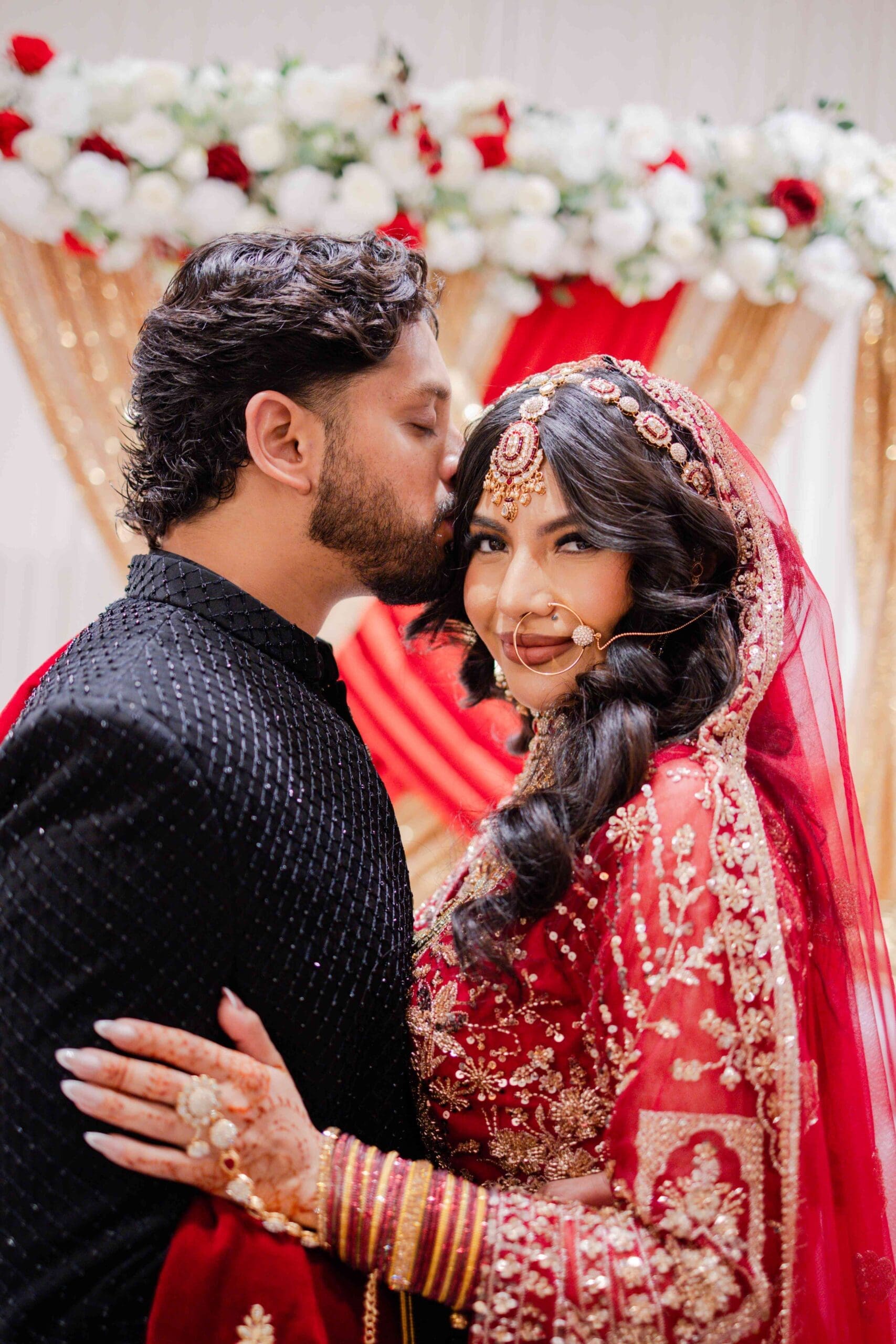
Planning a Pakistani wedding? Here’s a complete photography timeline guide covering Mehndi, Nikkah, Baraat, Walima, and all the emotional moments in between.
Pakistani weddings are like no other. They are exciting, emotional, fast-paced, and have a strong tradition associated with them. Each event tells a different part of the overall wedding story and has its own colour and energy to it. Think of the Mehndi with all of its colour and energy; the Nikkah with all of its emotion; and finally the Walima with all of its elegance.
As Pakistani weddings typically involve so many different events occurring over multiple days, it is important to have a clearly defined photography timeline in place to ensure that all of the significant moments from the entire wedding can be captured for the bride and groom to remember.
Not only do the top Pakistani wedding galleries capture the overall look of the event, but they also capture its emotions. The moments that become valuable later include the quiet anxiety before the Nikkah, the loud laughter during dance performances, the heartfelt hugs from parents, and the little in-between moments that nobody recognizes in real time.
In order to make your recollections feel comprehensive, powerful, and everlasting, here is a comprehensive guide to what should be photographed throughout every key Pakistani wedding event.
Mehndi Photography Timeline
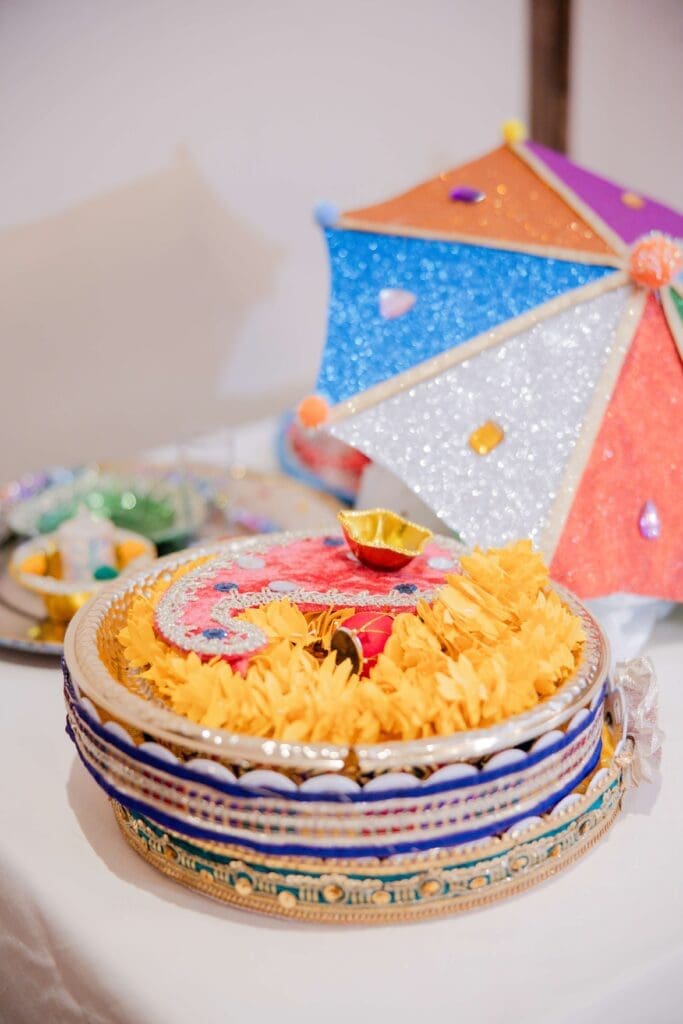
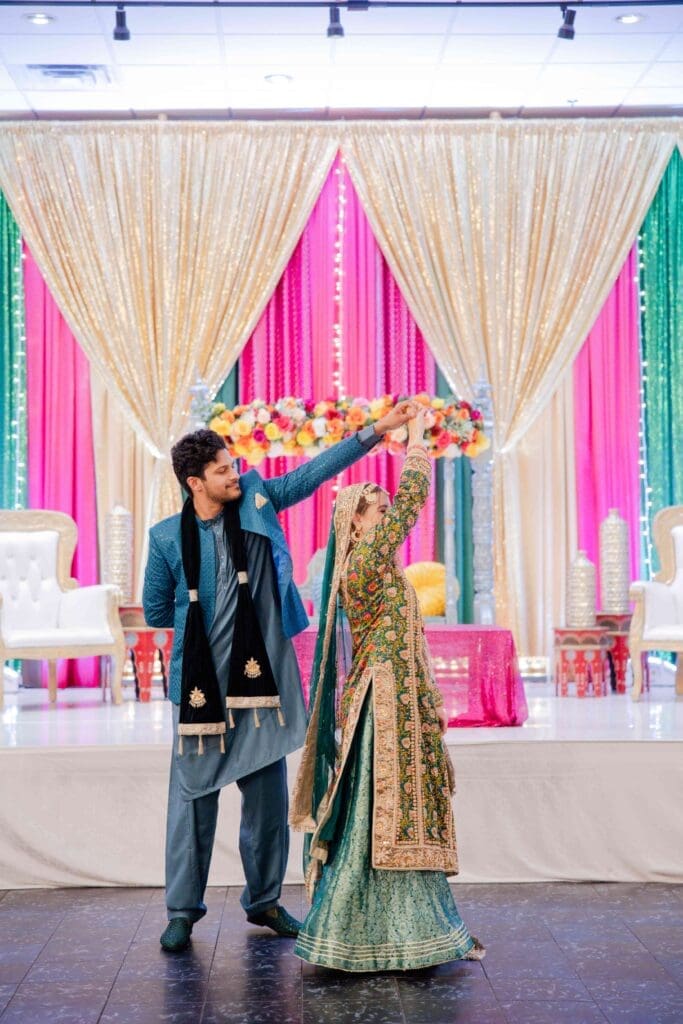
One of the most exciting events of the entire wedding week is often the Mehndi. It is vibrant, lively, energetic, and full of action. Personalities truly come to life during this occasion.
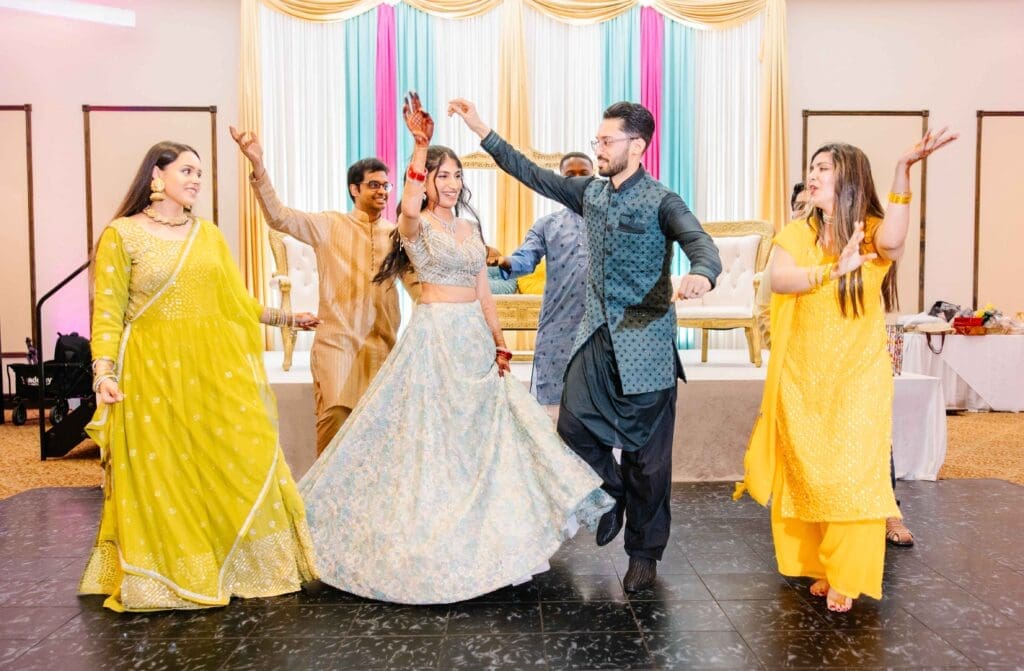
The Mehndi should be photographed with a strong emphasis on atmosphere, interaction, and emotion.
Key Moments to Record
Florals and intricacies of the mehndi decor
Portraits of bride and groom attire
Family entrances and responses
Dhol moments and dance performances
Laughing and open communication among friends
Close-ups of mehndi applications
Before the occasion becomes packed, a couple’s portraits
Mehndis move quickly, so it’s necessary to create a schedule that gives portraits at least a few quiet moments before the shows start. Everything picks up speed after the event begins.
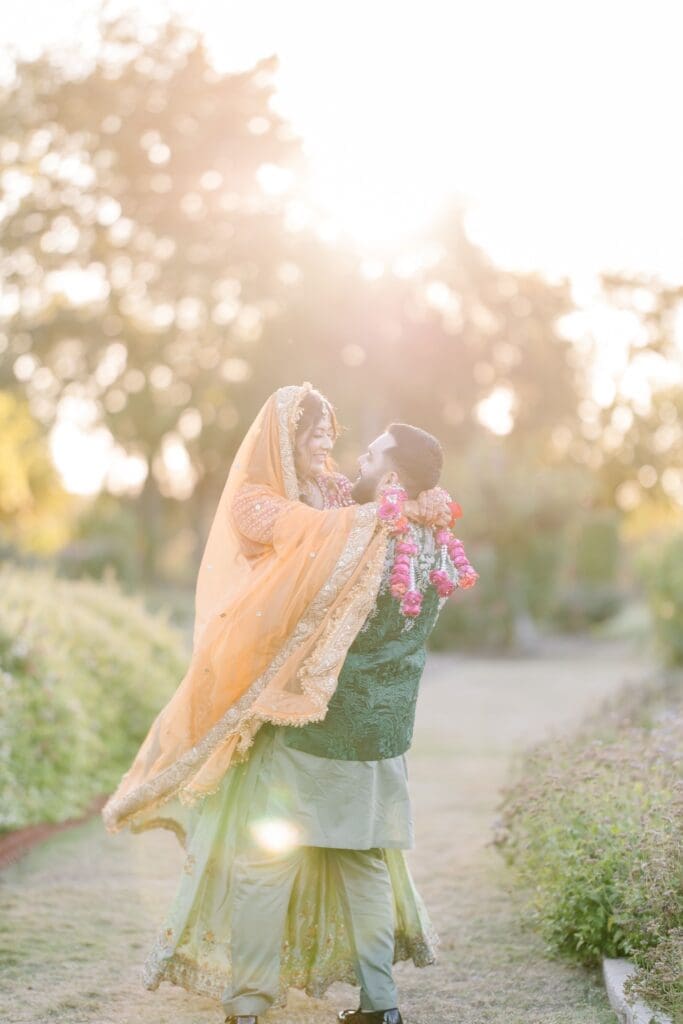
If timing allows, golden hour portraits prior to the Mehndi are always worthwhile.
Nikkah Photography Timeline
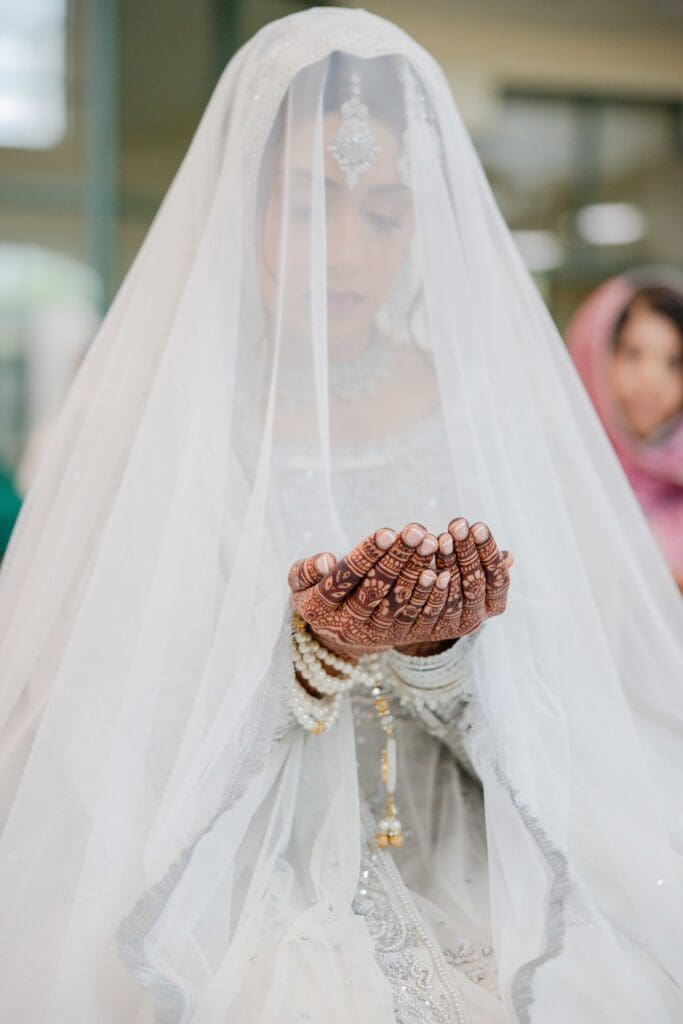
The emotional connection and intimacy of the Nikkah ceremony is unmatched by any of the other wedding events. Even though visually it may appear less chaotic than the Mehndi or Baraat events, the depth of feeling during the Nikkah is overwhelming.
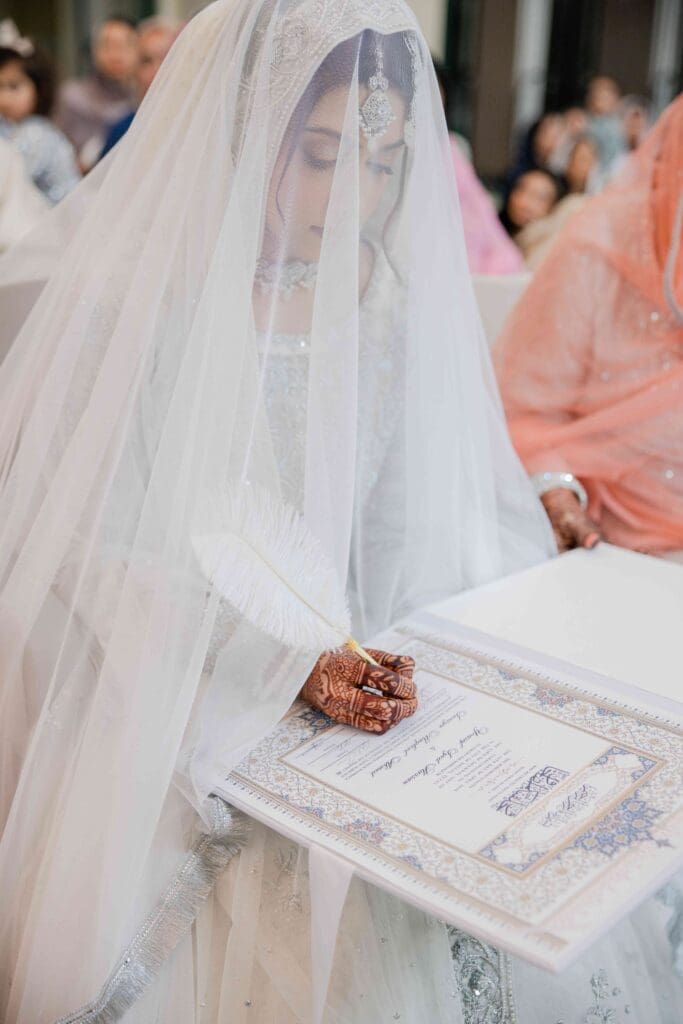
The photographs at this point should feel soft and be created as intentional or emotion-filled photographs.
Key Events to Photograph
The venue and floral set up prior to guest arrival
The details of the bride while she is being readied
The groom’s portrait prior to the Nikkah ceremony
The signing of the Nikkah contract
Parents’ emotional reactions to the Nikkah
Yassin doa after the Nikkah ceremony
The first husband/wife interaction
Blessing and Ring/Earring exchange
Family portraits after the Nikkah
Couple portraits using natural soft light
Making prior arrangements with the photographer will help you capture all significant instances.
For Nikkahs that are held outdoors during the day, the natural light will provide an ideal canvas for capturing lasting memories.
Baraat Photography Timeline
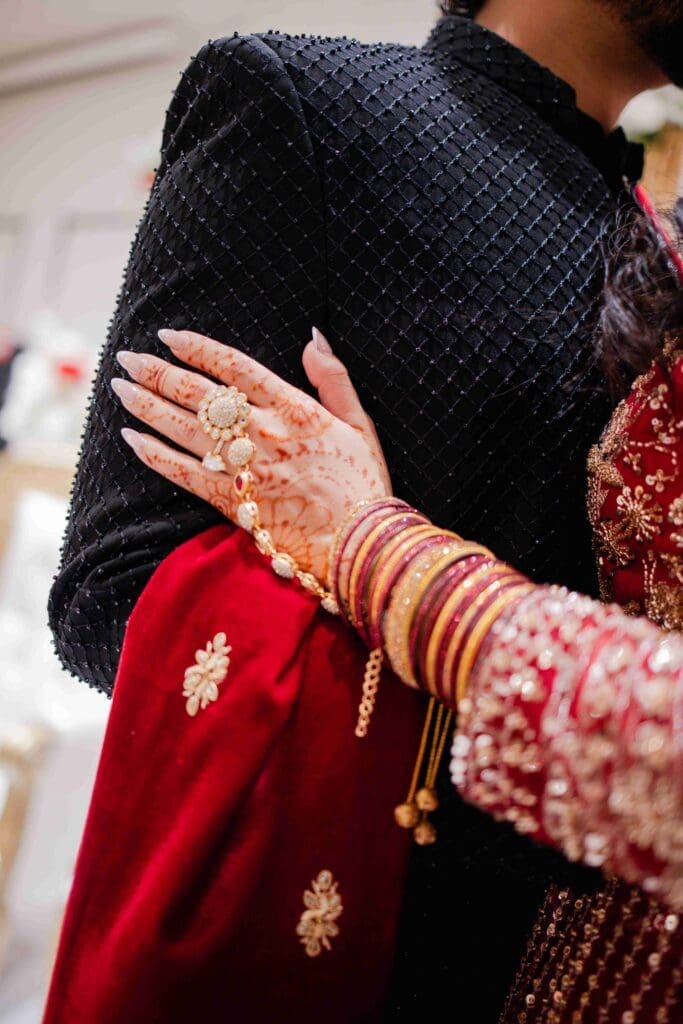
The Baraat marks the largest moment. The styling becomes more formalized and the excitement is heightened; traditional customs typically take presendice during this event. Most famed pictures taken at a Pakistani wedding occur during this time.
Since the Baraat typically has a lot going on and is often very tightly scheduled it is extremely important to have a well-structured timeline in place.
Important Times to Capture
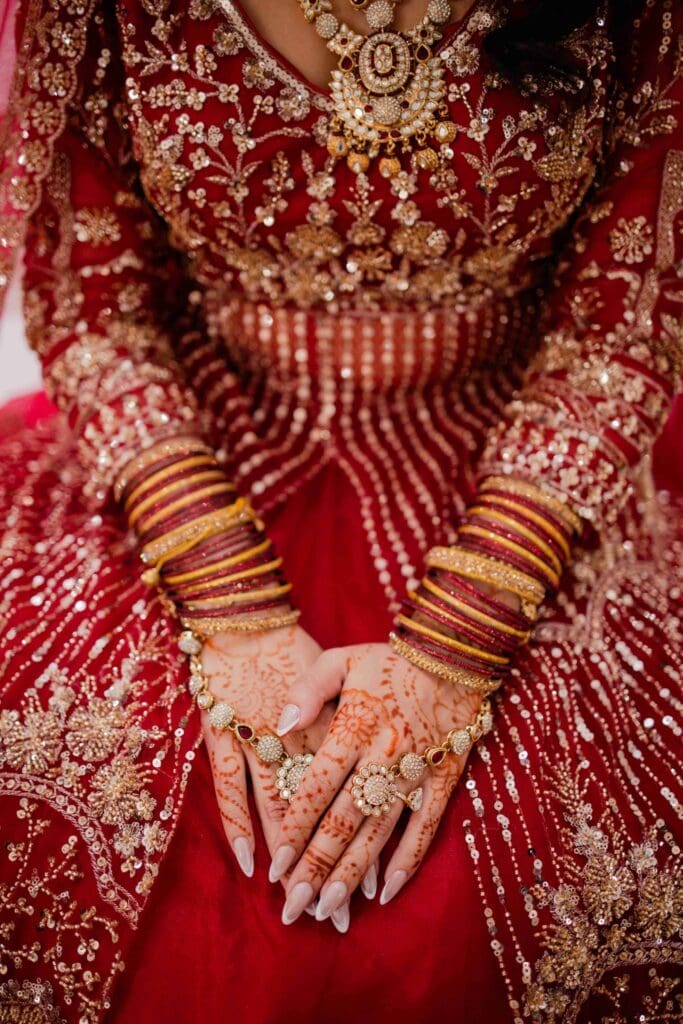
Brides detail and Jewelry close-ups
Groom getting ready
Baraat Procession and Entrance
Bride’s Emotional Entrance
Family Reactions During Entrance
Reception/Stage Décor Detail Shots
Couple Portraits Prior to Guest Flow Increasing
Candid Family Interactions
Emotional Moments During Rukhsati
Wide Cinematic Footage of Venue
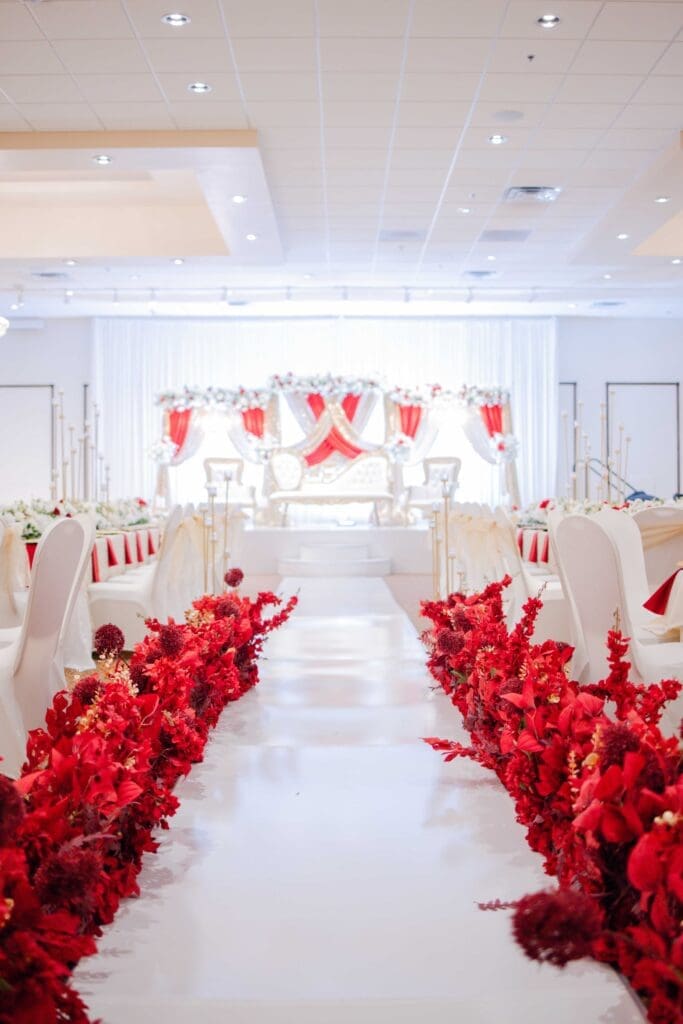
The rukhsati is one of the most emotional parts of the entire wedding. These times shouldn’t ever seem hurried or pushy. Sincere feelings can develop organically when a documentary-style approach is used.
Walima Photography Timeline
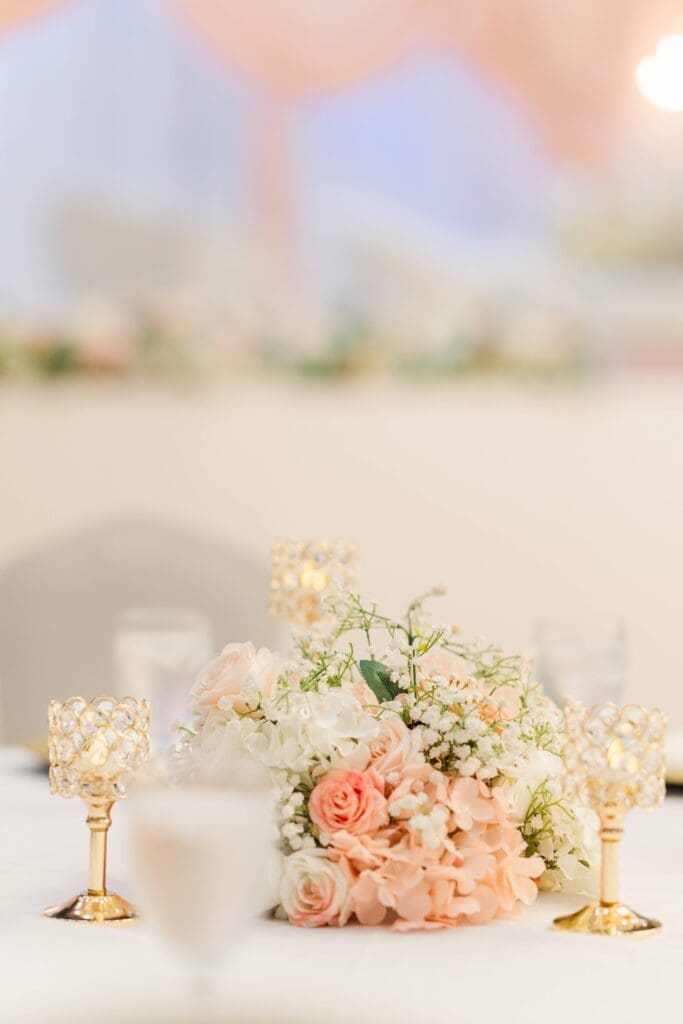
In contrast to other gatherings, the Walima often has a gentler, more refined vibe. By this point, couples are typically more at ease, which makes room for calm, expressive images and candid moments.
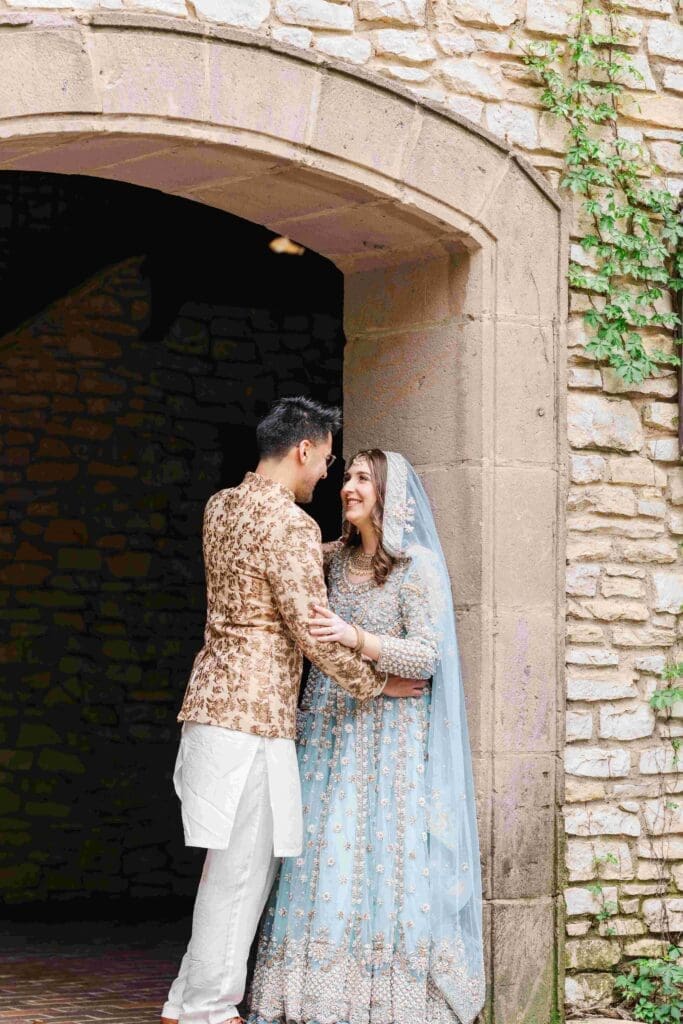
Crucial Times to Record
Table styling and reception decor
Natural light photographs of a couple
Open and romantic exchanges
Moments with family and visitors
Moments of a couple’s entrance and stage
Reactions and speeches
Wide-angle cinematic views of the reception area
If time permits, golden hour portraits
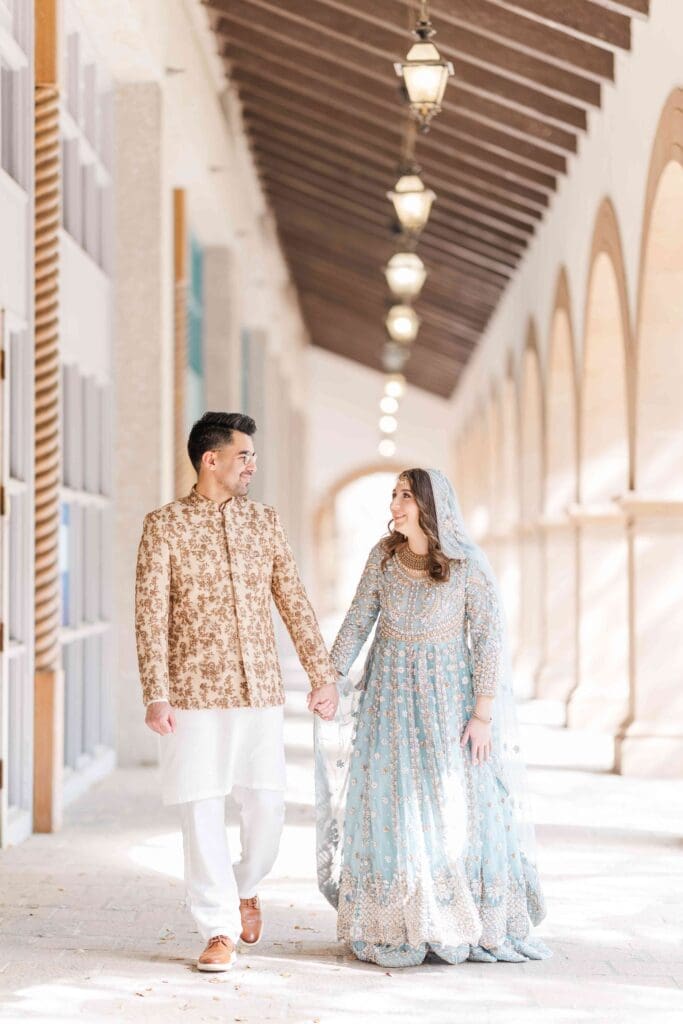
This is commonly the ideal occasion for softer, editorial-style pictures while maintaining organic, meaningful moments.
The In-Between Moments Matter Most
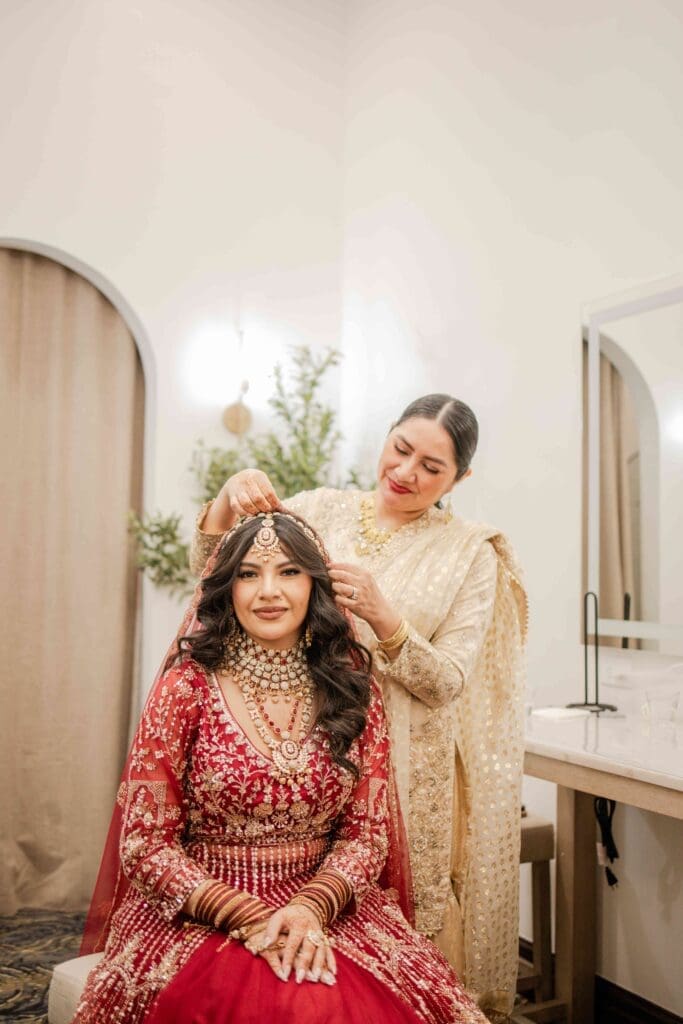
Many meaningful moments happen at a Pakistani wedding that are not planned.
The bride adjusts her dupatta before the ceremony.
A mother watches her daughter-in-law from across the room.
Friends laugh together while rehearsing their dance.
A groom takes a deep breath just before he and the bride see each other for the first time.
These events last maybe only a few seconds each but will be the most valuable emotionally when you look back at photographs of that day.
This is why documentary photography is so important in the case of multi-day South Asian weddings. It gives us the ability to capture each situation as it happened naturally, without interfering or altering the event in any way.
Pakistani weddings are rich in celebration, culture, tradition, and emotion. Every event has a unique atmosphere, energy, and importance, and they should all be carefully recorded.
In years to come, these pictures will be more than just pictures. They transform into memories that you can revisit and relive.
